What is a Funeral Celebrant and how can they help you?
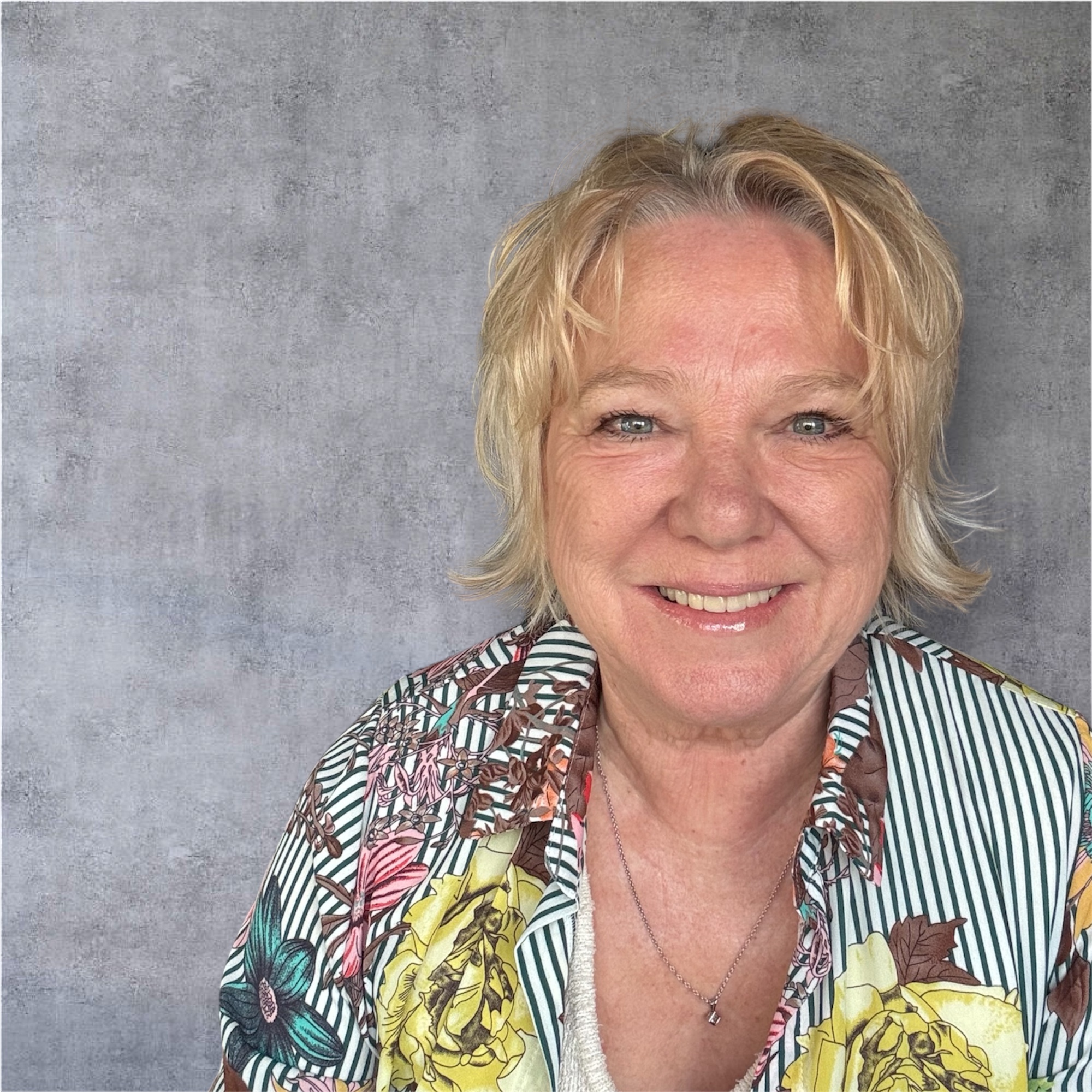
Many people have never heard the term “celebrant” until the moment they suddenly need one. At a time when emotions are raw and decisions feel heavy, understanding who does what can make the whole process feel far less overwhelming.
A funeral celebrant is someone who walks alongside you, helping you create a ceremony that feels meaningful, personal, and true to the person who has died. Their role is part guide, part storyteller, part steady pair of hands — and for many families, an enormous source of comfort.
A Celebrant’s Role
A funeral celebrant creates and leads a personalised ceremony that reflects the life, values, and personality of the person who has died. Unlike a religious minister, a celebrant is not tied to a particular faith tradition. This means the ceremony can be spiritual, secular, lightly religious, or completely non‑religious — whatever feels right for your family.
At its heart, a celebrant’s role is to listen deeply, understand the essence of the person you’re honouring, and craft a ceremony that captures their story with warmth, respect, and authenticity. They hold the emotional shape of the day, ensuring the ceremony flows smoothly and feels grounded, even when you may not.
What This Includes
A celebrant’s support usually involves several key steps:
Meeting with the family
This is often a gentle, unhurried conversation where you share memories, talk about the person’s character, and explore what kind of ceremony feels right.
Gathering stories
Celebrants listen for the details that bring a life to life — the humour, the quirks, the achievements, the challenges, the relationships that mattered most.
Part of a celebrant's challenge is unravelling the ball of string....you know the one: "Aunty Vicky's sister's brother-in-law's niece twice removed." Family stories rarely arrive in a neat, orderly fashion. They tumble out in fragments - one words sparks a memory which sparks another story, then loops back on itself and suddenly we're back at Aunty Vicky who turned out not to be related at all - the family just always referred to her as "Aunty"!
This is the celebrant's work - to gather the threads, make sense of the tangle and shape it into something that truly reflects the person.
Writing the ceremony
They craft a beautifully structured script that may include tributes, readings, music, symbolic elements, and moments of reflection. Every word is tailored to your loved one.
Leading the service
On the day, the celebrant guides everyone through the ceremony with calm, clarity, and compassion, holding the space so you can focus on being present.

Supporting you through choices
Whether it’s selecting readings, shaping the order of service, or deciding who might speak, a celebrant helps you navigate each decision with confidence.
Why Families Choose a Celebrant
Families often choose a celebrant because they want a ceremony that feels authentic, warm, and deeply personal — something that reflects the person’s life rather than following a fixed template.
Celebrants offer flexibility, creativity, and emotional support at a time when clarity can be hard to find.
A celebrant‑led ceremony can be traditional or modern, formal or relaxed, quiet or joyful. It can honour faith, acknowledge spirituality, or simply celebrate a life well lived.
The beauty lies in its freedom: the ceremony becomes a true reflection of the person, not a one‑size‑fits‑all event.


Comments